Comprehending the Various Sorts Of Thumb Braces and Their Makes Use Of in Treatment
Thumb braces play a vital function in therapy and rehabilitation for different thumb-related injuries and problems. Various kinds of thumb dental braces satisfy certain needs, from inflexible alternatives that supply optimal support to softer selections that allow for even more motion. Comprehending these distinctions is very important for efficient recovery. Picking the best type can be complex. What factors should one consider when selecting a thumb support for the best restorative end results?
Summary of Thumb Braces
Thumb dental braces are specialized tools created to support and stabilize the thumb, frequently made use of in therapeutic settings to help healing from injuries or handle chronic conditions. These dental braces come in numerous layouts, tailored to fulfill particular demands. They can be made from soft materials, supplying comfort and adaptability, or integrate rigid elements for included assistance.
Usually, thumb braces are recommended for problems such as ligament, joint inflammation, and tendonitis injuries. They function by immobilizing the thumb, lowering pain, and preventing more injury throughout the recovery process. In addition, they can aid in avoiding repetitive strain disorder usual in activities that include extensive thumb use, such as typing or video gaming.
In therapy, the usage of thumb braces is typically combined with workouts focused on bring back strength and wheelchair, making them an essential component in a detailed rehab program. Their adaptability makes them necessary devices in managing thumb-related concerns successfully.
Rigid Thumb Braces
Inflexible thumb braces offer a greater level of assistance and immobilization contrasted to their softer equivalents. These dental braces are commonly created from products such as thermoplastics or metal, guaranteeing resilience and stability. They are designed to limit thumb motion properly, which is important for people recouping from injuries, surgical treatments, or handling conditions like arthritis and tendonitis.
By restricting movement, rigid thumb braces help minimize pain and stop further damage during the healing procedure. They often feature adjustable straps to offer an adjustable fit, boosting comfort while preserving assistance - Canadian Orthopedic Supply. Inflexible dental braces are especially helpful for individuals needing significant immobilization, permitting them to involve in day-to-day tasks with minimized risk of exacerbating their conditions
In treatment, rigid thumb dental braces serve as an important device, helping with rehabilitation by advertising correct healing and placement, making them an important element in the management of thumb-related injuries and ailments.
Soft Thumb Braces
Lots of people take advantage of soft thumb braces, which offer a modest degree of support while permitting higher movement contrasted to inflexible choices. These dental braces are commonly made from flexible products, such as neoprene or elastic, enabling customers to do everyday tasks with ease. Soft thumb braces are specifically reliable for problems such as joint inflammation, tendonitis, or minor strains, where some assistance is required without complete immobilization.
The style of soft thumb dental braces usually includes flexible straps, ensuring a tailored fit for the wearer. This adaptability can aid ease discomfort and inflammation while maintaining dexterity, making them suitable for jobs that call for great motor skills. Furthermore, soft thumb braces can be quickly put on during various tasks, from inputting to cooking, boosting overall capability. Because of this, they serve as a valuable choice for people seeking relief and support while keeping an energetic way of living.
Thumb Spica Splints
Thumb spica splints serve a crucial duty in immobilizing the thumb and wrist, promoting recovery in various problems. Common ailments treated with these splints include thumb fractures, tendon injuries, and joint inflammation. Thumb Brace. Recognizing the proper use standards is necessary for optimizing their efficiency in treatment
Objective of Thumb Spica
A thumb spica splint offers a crucial role in the therapeutic administration of various thumb and wrist injuries. This specific tool paralyzes the thumb and wrist, supplying stability and assistance throughout the healing procedure. By restricting activity, the splint helps in reducing pain and swelling, facilitating healing. It is developed to preserve proper positioning of the thumb, minimizing the threat of additional injury. Furthermore, the splint aids in stopping excessive strain on the surrounding muscles and tendons. Its building and construction frequently integrates lightweight materials for convenience while making certain ample defense. On the whole, the thumb spica splint is an essential device in rehab, advertising healing and bring back feature for individuals with thumb and wrist conditions.
Usual Problems Dealt With
Different thumb and wrist conditions can take advantage of making use of thumb spica splints. These splints are specifically effective for individuals experiencing from conditions such as De Quervain's tenosynovitis, where swelling of the tendons impacts thumb movement. They are also typically utilized in instances of thumb fractures or injuries, supplying necessary immobilization for recovery. Arthritis in the thumb joint can be alleviated with thumb spica splints, which assist reduce pain and keep functional security. Additionally, these splints are helpful for post-surgical healing, ensuring that the thumb stays safeguarded during the healing process. In general, thumb spica splints work as a versatile treatment alternative for different thumb-related disorders, promoting recovery and enhancing lifestyle.
Appropriate Use Guidelines
Correct use of thumb spica splints is essential for maximizing their restorative advantages and guaranteeing efficient healing. The splint must fit snugly however not also snugly, permitting for blood circulation without discomfort. It is important to wear the splint constantly, specifically throughout activities that might strain the thumb. Individuals ought to adhere to the doctor's standards regarding duration of wear and any type of particular workouts to perform while using the splint. Routine assessment of the skin under the splint is required to stop irritability or stress sores. In addition, maintaining the splint tidy and completely dry will enhance comfort and hygiene. Ultimately, individuals must interact any kind of discomfort or worries to their doctor to ensure the splint continues to be effective in treatment.
Useful Thumb Braces
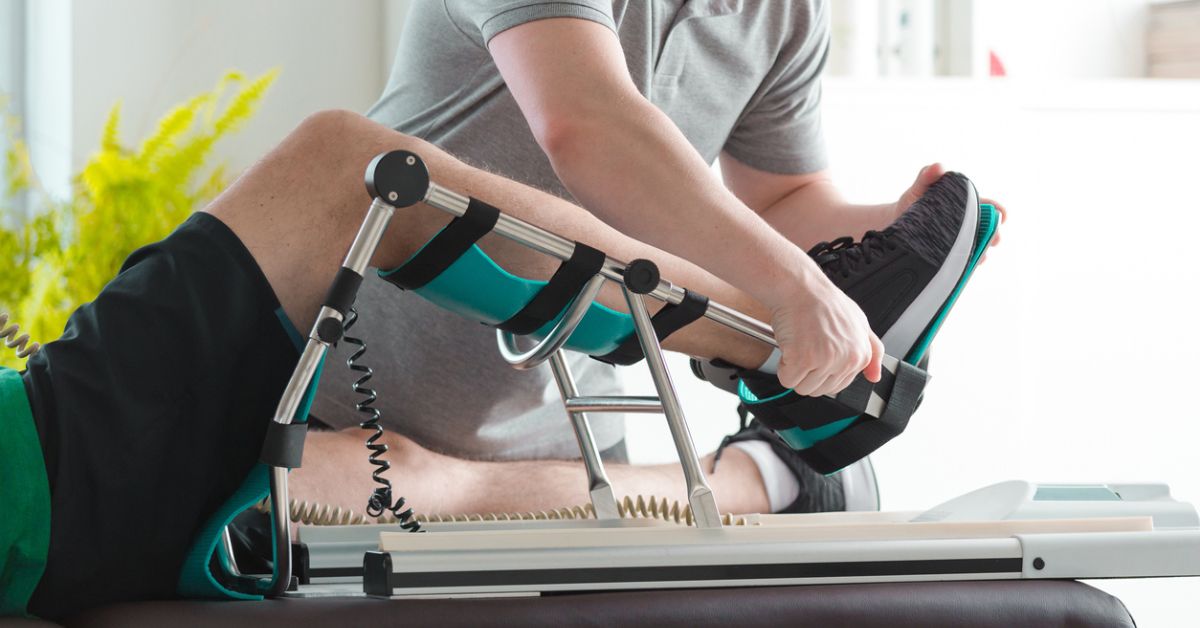
Normally made from light-weight products, these dental braces are developed to fit snugly around the thumb and wrist, minimizing pain. They often feature flexible bands to assure a personalized fit, fitting numerous hand click shapes and sizes. Practical thumb braces allow for the retention of thumb movement, which is necessary for grip strength and mastery.
Therapists commonly recommend these dental braces as part of a detailed recovery program, allowing people to take part in healing exercises while maintaining defense. Canadian Ortho Thumb Splint. This balance of support and flexibility promotes recovery, making practical thumb supports an indispensable property in treatment setups
Tailor-made Thumb Braces
Personalized thumb supports use a customized fit that improves convenience and performance for specific users. The different material and layout options available permit tailored services that satisfy certain demands and preferences. This personalization can greatly influence the overall restorative end results for patients.
Tailored Fit Benefits
While numerous thumb dental braces offer basic assistance, tailored-fit options use distinctive benefits for people looking for efficient therapy. Custom-made thumb dental braces are created to conform exactly to the person's makeup, making sure suitable comfort and security. This personalized fit can substantially boost the performance of treatment, as the brace can target certain areas calling for assistance or immobilization. In addition, tailored-fit dental braces often lower the threat of skin inflammation and stress sores, which can accompany uncomfortable options. They likewise advertise much better adherence to therapy routines, as users are most likely to wear a brace that really feels comfortable and safe and secure. Overall, the benefits of tailored-fit thumb dental braces make them a valuable choice for those needing specific support in their healing trip.
Product and Layout Options
When selecting a thumb support, the choice of materials and layout plays a necessary role in its efficiency and customer convenience. Tailor-made thumb dental braces can be built from different products, including thermoplastics, neoprene, and material blends, each offering distinct advantages. Thermoplastics give rigidity and assistance, while neoprene offers versatility and warmth, promoting circulation. The design can be tailored to suit private anatomical demands, ensuring proper positioning and stability. Additionally, attributes such as breathable materials and flexible straps boost comfort during extended wear. Customization not just addresses specific injuries or problems but likewise thinks about lifestyle variables, enabling for an extra personalized method to treatment. Inevitably, the appropriate mix of product and design can significantly boost healing end results and individual satisfaction.
Selecting the Right Thumb Dental Braces for Your Demands
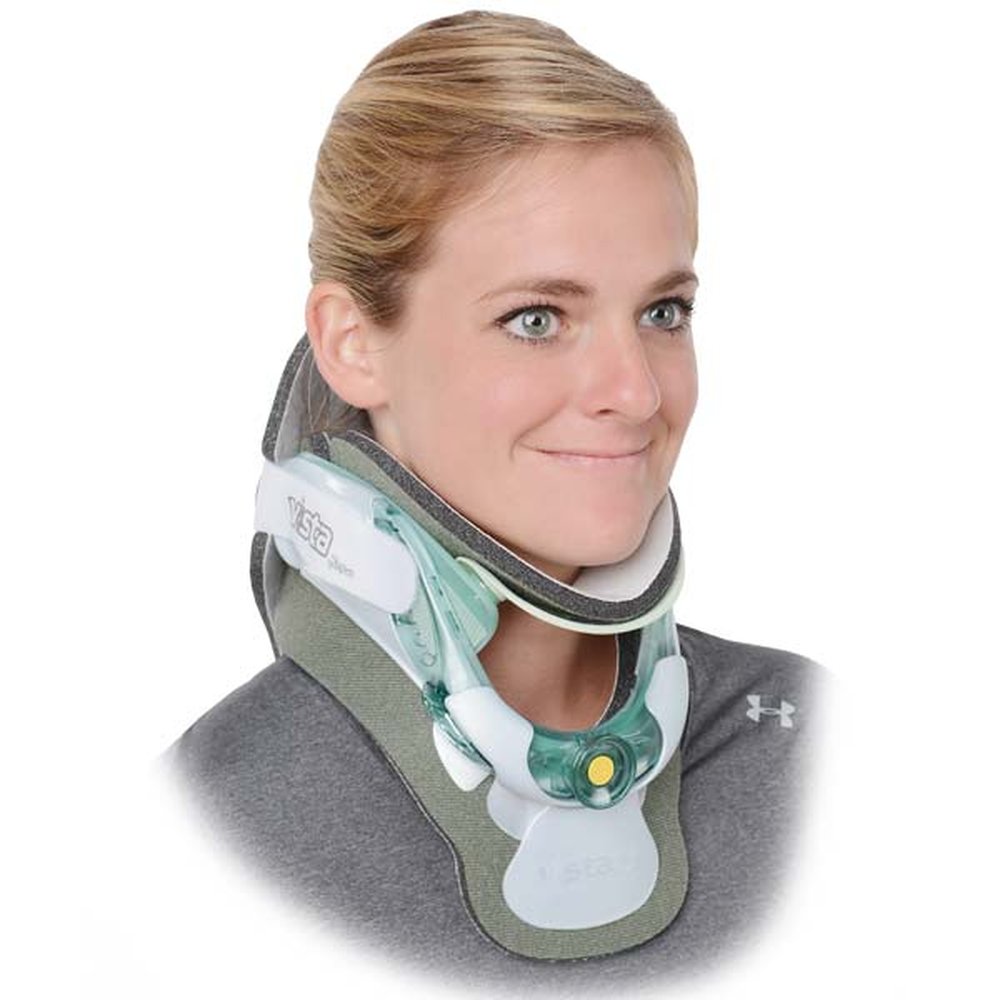
Next off, consider the style and materials of readily available thumb dental braces, as these aspects affect comfort and versatility. A brace that permits some movement could be preferable for recovery, while an inflexible brace might be required for immobilization during intense injury recovery.
Often Asked Inquiries
How Lengthy Should I Use a Thumb Dental Braces Each Day?
Generally, individuals should use a thumb brace for 4 to 6 hours daily, or as guided by a medical care expert. Duration may vary based on specific problems, treatment objectives, and individual convenience degrees.
Can Thumb Braces Be Used During Sports Activities?
Thumb dental braces can be put on throughout sports activities, giving support and protection. It is necessary to identify they do not restrict motion exceedingly, which could hinder performance or lead to more injury.
Exist Any Kind Of Negative Effects From Extended Brace Usage?
Extended use thumb braces might bring about skin irritability, muscle weak point, or reliance on the support for assistance. It's critical to stabilize usage with durations of activity to keep toughness and adaptability in the thumb.
How Do I Tidy and Preserve My Thumb Brace?
To clean up and preserve a thumb support, carefully hand laundry it with mild soap and water, wash completely, and air dry. Avoid severe chemicals or device washing to protect the brace's structure and effectiveness.
When Should I Get in touch with a Medical Professional Concerning Thumb Discomfort?
Consult a medical professional regarding thumb pain if it lingers for greater than a few days, disrupts daily activities, shows indications of bruising or swelling, or is gone along with by pins and needles or tingling experiences.
Thumb dental braces are specialized tools developed to support the thumb and Go Here sustain, frequently made use of in therapeutic settings to help recovery from injuries or take care of chronic conditions. A thumb spica splint serves a critical function in the restorative management of different thumb and wrist injuries. Different thumb and wrist conditions can profit from the use of thumb spica splints. Joint inflammation in the thumb joint can be minimized with thumb try here spica splints, which help minimize pain and preserve practical stability. Functional thumb braces are essential devices in recovery, created to support and support the thumb while permitting for some level of motion.